
Nicosia
Europe
Easy
High
€18,000–€28,000 / year
Moderate
€1,800–€4,500 per m²
Progressive 20-35% (free treshold of ~€20,000)
None
Cyprus
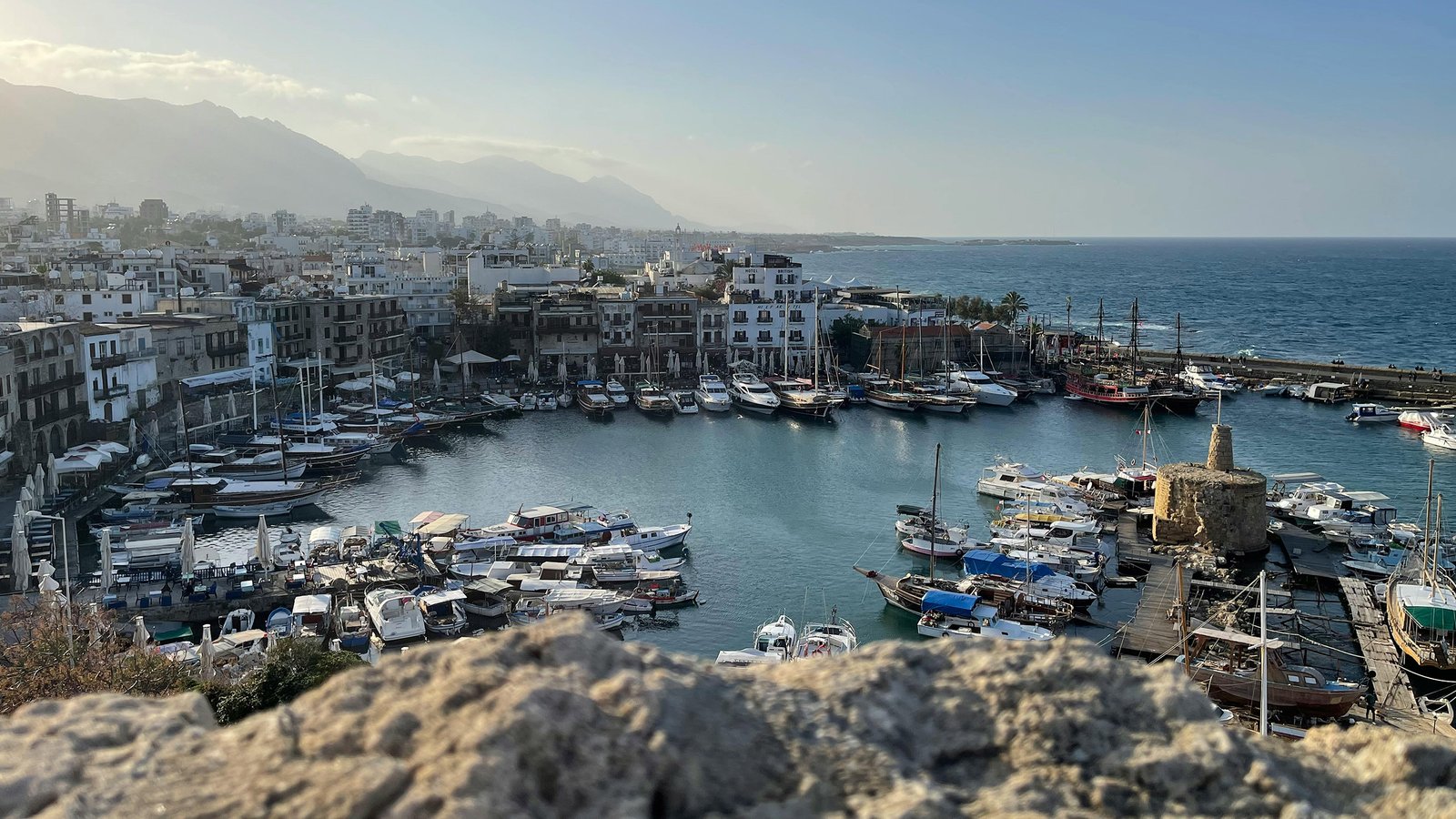
Cyprus is one of Europe’s most attractive destinations for expats, known for its warm climate, English‑friendly environment, low taxes, and relaxed Mediterranean lifestyle. With beautiful beaches, safe cities, and a strong expat community, Cyprus appeals to remote workers, families, and retirees alike.
Key advantages include:
- English widely spoken (one of the highest rates in Europe)
- Warm climate with 320+ sunny days per year
- Attractive tax incentives for expats and businesses
- Safe, friendly, and community‑oriented society
- EU member state with strong infrastructure
- Large international communities in Limassol, Nicosia, Larnaca, and Paphos
Essential First Steps for New Arrivals
Register Your Address
All residents must register their address with the Civil Registry and Migration Department (CRMD).
Obtain a Residence Permit (Yellow Slip / Pink Slip)
Cyprus offers several residency categories.
EU/EEA Citizens
- Register for residence after 3 months
- Receive the Yellow Slip
Non‑EU Citizens
- Temporary Residence Permit (Pink Slip)
- Work Permit
- Digital Nomad Visa
- Permanent Residency (Category F or investment routes)
- Student permit
- Family reunification permit
Open a Cypriot Bank Account
Employers typically require a local bank account. Identification and proof of residence are needed.
Healthcare Registration
Residents can register for GESY (public healthcare) or use private insurance.
Housing in Cyprus
Types of Housing
- Private rentals
- Furnished and unfurnished apartments
- Villas and townhouses
- Shared housing
- Coastal holiday homes
Market Characteristics
- High demand in Limassol and Nicosia
- More affordable options in Larnaca and Paphos
- Deposits typically equal 1–2 months’ rent
- Most apartments are furnished
Practical Advice
- Use reputable real estate agents
- Understand utility costs (AC widely used)
- Check building insulation (important for summer heat)
- Consider proximity to beaches, schools, and business districts
Working in Cyprus
Work Permits and Visas
- Standard work permit
- EU Blue Card
- Digital Nomad Visa
- Highly skilled worker permit
- Seasonal work permit
- EU/EEA citizens do not require a work permit
Employment Standards
- Standard workweek: 40 hours
- 20–24 days paid vacation
- Overtime compensation required
- Notice periods depend on contract type
Key Industries
- Finance and banking
- Shipping and maritime services
- Technology and software development
- Tourism and hospitality
- Real estate and construction
- Online gaming and forex
Financial Overview: Taxes and Income
Income Tax for Employees
Cyprus uses a progressive tax system with major expat benefits, including no tax on worldwide dividends and favorable pension tax rules.
Taxes for Entrepreneurs and Freelancers
Business‑friendly environment with low corporate tax and simple registration.
Corporate Tax
Standard rate: 12.5% (one of the lowest in the EU).
VAT
Standard rate: 19%
Reduced rates: 9% and 5%
Healthcare System
Cyprus has a mixed public–private healthcare system. GESY provides universal coverage, while private clinics offer faster service.
General Practitioner
Residents choose a GP; referrals required for specialists.
Costs
- Public healthcare is affordable
- Private clinics moderately priced
- Dental care mostly private
Transportation and Mobility
Public Transport
- Buses in major cities
- Intercity buses
- Taxis and ride‑sharing services
Driving
- Driving is on the left
- EU licenses valid
- Non‑EU licenses may require exchange
- Road conditions good
- Traffic heavy in urban areas
Cycling
Infrastructure improving, especially in coastal cities.
Culture and Society
Cypriot culture is warm, Mediterranean, and community‑oriented, with strong Greek, Middle Eastern, and European influences.
Social Norms
- Social interactions warm and friendly
- English widely spoken
- Cash and card both common
- Punctuality flexible in social settings
Religion in Cyprus
Religion plays a cultural role, with Greek Orthodox as the majority, alongside Muslim communities and other minorities.
Daily Life
Shopping and Services
Major supermarkets include Lidl, AlphaMega, Papantoniou, and Sklavenitis.
Language
Official languages: Greek and Turkish. English widely spoken in business and daily life.
Digital Services
E‑government portals, online banking, and mobile payment apps.
Education and Family Life
School Options
- Public schools
- Private schools
- International schools (English, Russian, French curricula)
- Bilingual programs
Childcare
- Nurseries
- Kindergartens
- After‑school programs
Community and Integration
Active expat communities exist in Limassol, Nicosia, Larnaca, and Paphos.
Ready to make your move to Cyprus simple and stress-free?
Get the complete Cyprus Relocation Guide and unlock everything you need, from visas, taxes, cities, cost of living, tips, and a complete checklist.
Cyprus Relocation Guide