
Manila
Asia
Easy–Moderate
Medium
€3,000–€6,000 / year
Low
€1,000–€2,500 per m²
Progressive 15-30%
6% capital gains
Philippines
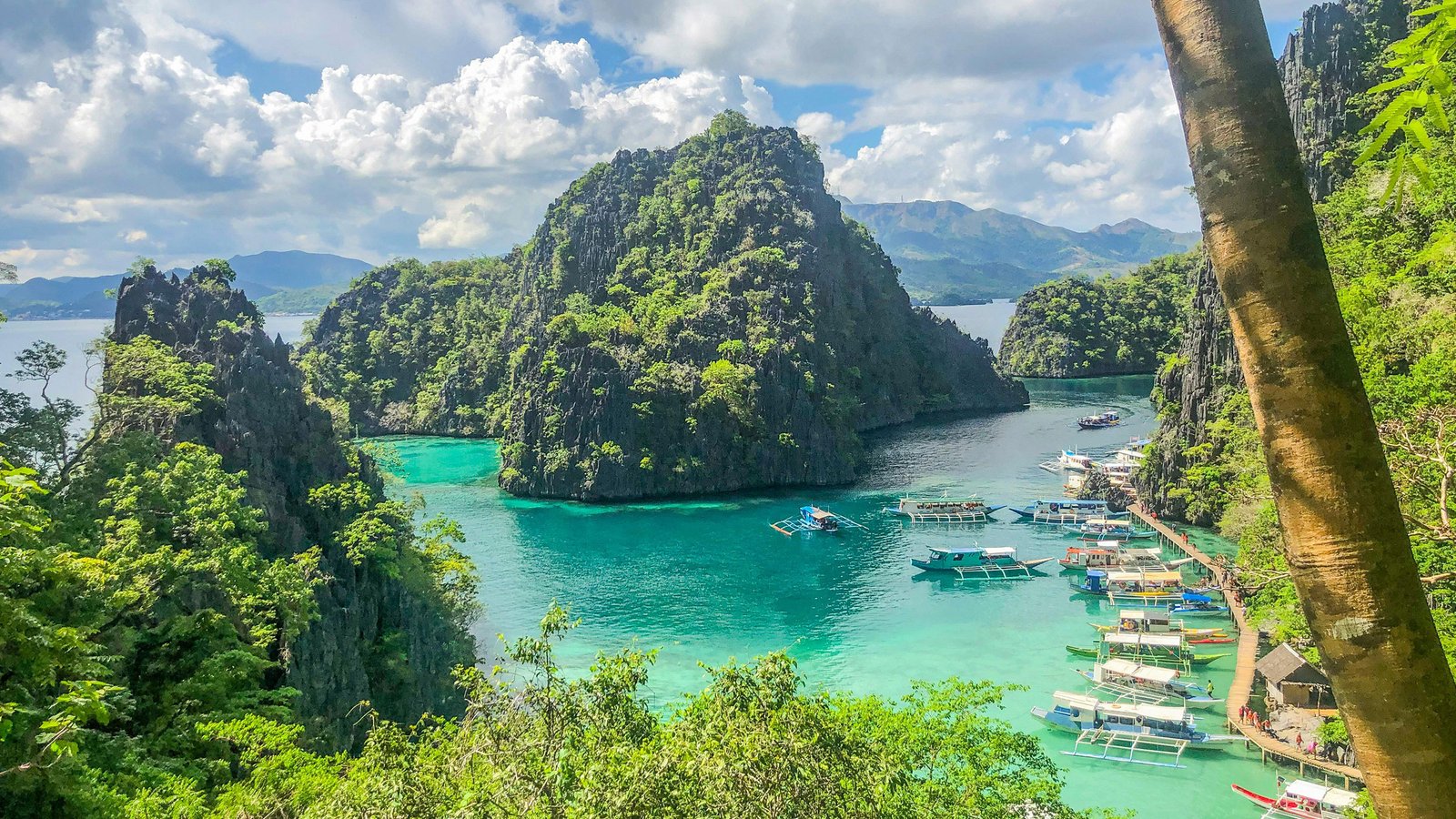
The Philippines is one of Southeast Asia’s most welcoming, English‑speaking, and affordable expat destinations. With beautiful islands, friendly people, and a growing economy, it attracts digital nomads, retirees, teachers, and entrepreneurs.
Key advantages include:
- Very affordable cost of living
- English widely spoken (official language)
- Warm, friendly, community‑oriented culture
- Beautiful beaches, islands, tropical climate
- Strong expat communities in Manila, Cebu, Dumaguete
- Digital nomad friendly
- Easy long‑stay options for retirees
- Growing tech and outsourcing industries
Essential First Steps for New Arrivals
Visa and Entry
Tourist visas (30 days, extendable up to 36 months), 13A Marriage Visa, SRRV retiree visa, 9G work visa, student visa, and digital nomad visa (in development).
Residency
Options include 13A permanent residency, SRRV, and work‑based residency.
Open a Philippine Bank Account
Requires passport, ACR I‑Card, proof of address, and local phone number.
Healthcare Registration
PhilHealth, private hospitals, and international insurance options.
Housing in the Philippines
Types of Housing
- Condominiums
- Houses
- Townhomes
- Beachfront rentals
- Serviced apartments
- Shared housing
Market Characteristics
- Very affordable outside Manila
- Condos often include pools, gyms, security
- Deposits typically 2–3 months
- Lease terms 6–12 months
Popular Expat Areas
- Metro Manila: Makati, BGC, Ortigas, Rockwell
- Cebu: IT Park, Lahug, Mactan
- Dumaguete: Valencia, Bacong
- Other: Baguio, Siargao, Palawan, Subic/Clark
Practical Advice
- Check for backup generators
- Internet varies by region
- Air conditioning essential
- Manila traffic can be intense
Working in the Philippines
Work Permits
9G Work Visa, Alien Employment Permit (AEP), and employer sponsorship.
Employment Standards
- Standard workweek: 40–48 hours
- Paid vacation: 5–15 days
- Many public holidays
- Labor protections vary
Key Industries
- BPO and outsourcing
- Technology and software
- Tourism and hospitality
- Education (English teaching)
- Real estate
- Logistics and trade
- Manufacturing
Financial Overview: Taxes and Income
Income Tax
Progressive system; tax residency after 180 days.
Entrepreneurs and Freelancers
Options include sole proprietorship, corporation, foreign‑owned enterprise, and PEZA‑registered companies.
Corporate Tax
Corporate tax plus VAT apply.
VAT
Standard rate: 12%.
Healthcare System
The Philippines has a mixed public–private healthcare system.
Public Healthcare (PhilHealth)
Very affordable; basic coverage.
Private Healthcare
High‑quality, modern, English‑speaking doctors; recommended for expats.
Costs
- Public healthcare low‑cost
- Private healthcare moderate
- Dental care inexpensive
Transportation and Mobility
Public Transport
- Jeepneys
- Buses
- MRT/LRT (Manila)
- Taxis
- Ride‑sharing (Grab, JoyRide)
Driving
- Driving on the right
- Foreign licenses accepted temporarily
- Local license required long‑term
- Heavy traffic in Manila
Domestic Travel
Extensive flights, ferries, buses, and vans.
Culture and Society
Filipino culture is warm, family‑oriented, community‑focused, and blends Western and Asian influences.
Social Norms
- Warm, friendly greetings
- Tipping appreciated
- English widely used
- Card payments in cities; cash elsewhere
Religion in the Philippines
Predominantly Christian, with Muslim and Indigenous communities.
Daily Life
Shopping and Services
SM, Robinsons, Puregold; malls, wet markets, street food.
Language
Filipino and English official; English widely spoken nationwide.
Digital Services
GCash, Maya, online banking, government portals.
Education and Family Life
School Options
- Public schools
- Private schools
- International schools (American, British, IB)
- Catholic schools
Childcare
- Preschools
- Childcare centers
- Nannies
- After‑school programs
Community and Integration
Active expat communities in Manila, Cebu, Dumaguete, and Subic/Clark.