
The global map of expat destinations is shifting faster than at any point in the last decade. Remote work has moved from a niche perk to a structural feature of the global economy, and countries are now actively competing to attract mobile professionals with new visas, tax incentives, and lifestyle benefits.
But the most interesting trend in 2026 is not the usual list of “top expat countries.” It is the rise of emerging destinations—countries that were once overlooked but are now becoming serious contenders for remote workers, digital nomads, and long-term expats. This article looks at ten of the most promising countries and, ultimately, why one of them stands out above the rest.
1. Portugal – Europe’s Most Reliable Expat Haven
Portugal has quietly become the benchmark for remote workers and expats. It combines EU stability, relatively accessible residency routes, and a lifestyle that feels livable over the long term rather than just attractive for a short stay.
For many, Portugal is no longer a “hidden gem” but a strategic choice. It offers:
- D7 and D8 visas: Allowing passive income earners and remote workers to obtain residency without a local employer.
- EU foothold: Residency in Portugal can lead to permanent residency and citizenship, opening the door to the wider European Union.
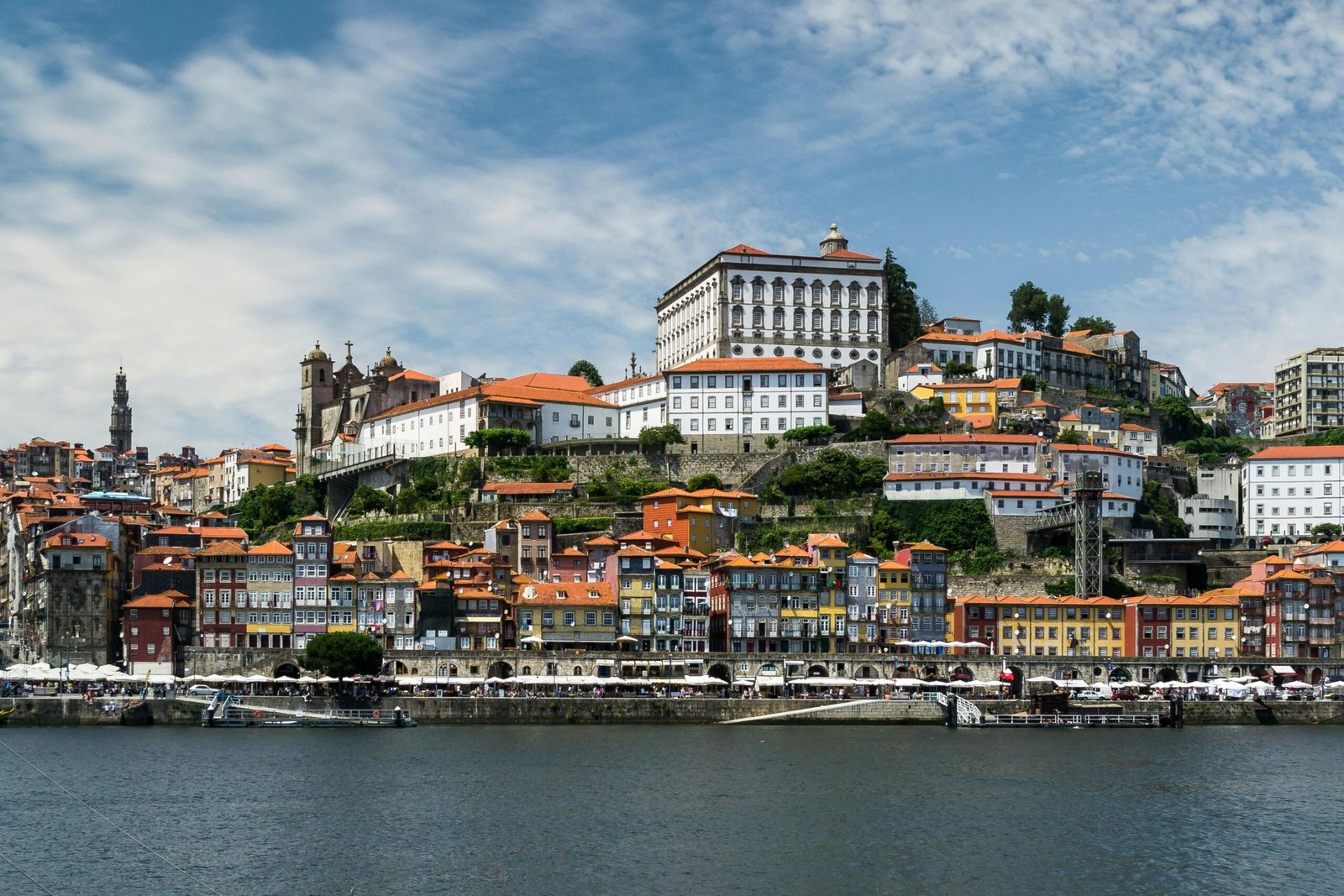
- Human-scale cities: Lisbon, Porto, Braga, and smaller towns offer walkability, culture, and a slower pace of life.
- Strong expat ecosystems: Established communities make it easier to land, network, and integrate.
Portugal is not the cheapest option on this list, but it is one of the few where remote workers can realistically transition from “temporary visitor” to “long-term resident” and, eventually, citizen.
2. Mexico – Affordable, Warm, and Surprisingly Flexible
Mexico has become one of the fastest-growing expat destinations in the world. Its generous Temporary Residency Visa, relatively low cost of living, and proximity to North America make it especially attractive to US and Canadian remote workers.
Key advantages include:
- Temporary Residency (up to 4 years): Without needing a local job contract.
- Low cost of living: Especially outside major tourist hotspots.
- Time zone alignment: Ideal for those working with North American clients or employers.
Mexico is not as structurally stable as some European countries, and safety varies significantly by region, but for many remote workers it offers a compelling mix of affordability and lifestyle.
3. Estonia – The Digital State of the Future
Estonia is often cited as the world’s most digitally advanced country. For remote workers and entrepreneurs, it offers a glimpse of what a fully digital state can look like.
Highlights include:
- Digital Nomad Visa: One of the first of its kind globally.
- E-Residency: Allowing foreigners to establish and manage EU-based companies remotely.
- Ultra-fast internet and efficient e-government: Reducing friction in daily life and business.
Estonia is ideal for tech workers and founders, though its climate and relatively small size mean it appeals most to those who prioritize efficiency over climate or cost.
4. Malaysia – High Comfort at Low Cost
Malaysia is increasingly popular among expats who want modern infrastructure, strong healthcare, and a relatively low cost of living. It offers a comfortable, multicultural environment with English widely spoken in urban areas.
Key strengths:
- MM2H (Malaysia My Second Home): A long-term residency program for those who meet financial criteria.
- Excellent healthcare: Modern hospitals and clinics at competitive prices.
- Modern cities: Kuala Lumpur and Penang offer strong expat communities and good connectivity.
Malaysia is particularly attractive for expats seeking comfort and value rather than a purely nomadic lifestyle.
5. Costa Rica – Nature, Stability, and a Slower Pace
Costa Rica has long been associated with eco-tourism, but it is now firmly on the radar of remote workers and expats seeking a slower, nature-focused lifestyle.
Its appeal includes:
- Digital Nomad Visa: Allowing remote workers to stay legally while working for foreign employers.
- Stable democracy: One of the most politically stable countries in Latin America.
- Strong environmental focus: A significant portion of the country is protected land.
Costa Rica is ideal for those who prioritize wellness, nature, and a calmer pace of life over big-city energy.
6. United Arab Emirates – Tax-Free and Hyper-Connected
The UAE, particularly Dubai and Abu Dhabi, has become a magnet for high-earning remote workers and entrepreneurs. It offers a combination of tax advantages and world-class infrastructure that few countries can match.
Key benefits:
- Zero income tax: A major draw for high earners.
- Remote work and business-friendly visas: Designed to attract global talent.
- Global connectivity: Excellent flight connections and modern infrastructure.
The UAE is not a low-cost destination, and its lifestyle is more corporate and fast-paced, but for certain profiles it is extremely attractive.
7. Slovakia – Central Europe Without the Price Tag
Slovakia is emerging as a quieter alternative within the European Union. It offers many of the benefits of Central Europe—proximity to Vienna, Prague, and Budapest—without the same cost levels.
Advantages include:
- Low cost of living: Especially outside the capital.
- EU residency options: For those who qualify through work, business, or other routes.
- Good infrastructure: Reliable internet and transport connections.
Slovakia is best suited to expats who want a European base with fewer tourists and lower costs.
8. Uruguay – Stability at the Edge of the Atlantic
Uruguay is one of the most stable and safest countries in Latin America. It often flies under the radar but is increasingly recognized by expats seeking long-term security.
Key strengths:
- High safety levels and strong rule of law.
- Accessible residency routes.
- Good healthcare and social stability.
Uruguay is ideal for those who value predictability and a quieter lifestyle over rapid growth or ultra-low costs.
9. Georgia – Simple Residency and Low Costs
Georgia has become a favorite among digital nomads and location-independent entrepreneurs. It offers a rare combination of easy entry, low taxes, and a very low cost of living.
Highlights:
- Visa-free stays for many nationalities: Often up to one year.
- Low taxes: Especially for certain business structures.
- Affordable living: Particularly in Tbilisi and Batumi.
Georgia is attractive for those who want maximum flexibility and minimal bureaucracy, though it may feel too transient for expats seeking long-term roots.
10. Poland – Europe’s Underrated Work and Life Hub
Poland is increasingly recognized as one of Europe’s most dynamic economies. It offers a strong job market, growing tech sector, and lower costs than Western Europe.
Key advantages:
- Affordable compared to Western Europe.
- Strong infrastructure and fast internet.
- EU residency pathways for those who qualify.
Poland is ideal for expats who want a European lifestyle with access to work opportunities and lower living costs than in Western capitals.
Comparison: Cost, Safety, Visas, and Long-Term Potential
Each of these countries offers a different balance of cost, safety, infrastructure, and residency options. The table below summarizes how they compare on key dimensions that matter to remote workers and expats in 2026.
| Country | Cost of Living | Safety | Visa & Residency | Internet & Infrastructure | Long-Term Potential |
|---|---|---|---|---|---|
| Portugal | Medium | High | Strong (D7/D8, EU pathway) | Excellent | Very High |
| Mexico | Low | Medium | Strong (Temporary Residency) | Good | High |
| Estonia | Medium | Very High | Moderate (Nomad visa, limited long-term) | Excellent | Medium |
| Malaysia | Low | High | Strong (MM2H) | Excellent | High |
| Costa Rica | Medium | High | Moderate (Nomad visa, residency options) | Good | Medium |
| UAE | High | Very High | Moderate (Remote work visa) | Excellent | High for high earners |
| Slovakia | Low | High | Strong (EU residency) | Excellent | High |
| Uruguay | Medium | Very High | Strong (easy residency) | Good | High |
| Georgia | Very Low | Medium | Easy (visa-free, simple setup) | Good | Medium |
| Poland | Low | High | Strong (EU residency) | Excellent | High |
Conclusion: Why Portugal Is the Most Compelling Choice in 2026
After comparing the strengths, weaknesses, and long-term potential of all ten emerging destinations, one country stands out as the most strategically compelling choice for remote workers and expats in 2026: Portugal.
What makes Portugal unique is not a single advantage, but the combination of advantages that, together, create a level of long-term viability that few other countries can match. Many destinations excel in one or two categories—Mexico in affordability, Estonia in digital infrastructure, the UAE in tax incentives, Malaysia in comfort—but Portugal is the only country that consistently performs well across all the dimensions that matter for people planning a multi-year relocation.
Portugal offers something rare in today’s expat landscape: a realistic path from temporary remote work to permanent residency and, eventually, citizenship. This alone sets it apart from most digital-nomad-friendly countries, which typically offer short-term visas with no clear future. Portugal’s D7 and D8 visas are not just bureaucratic entry points—they are gateways to long-term stability inside the European Union, one of the world’s most desirable political and economic blocs.
Beyond the legal framework, Portugal’s day-to-day reality is what ultimately convinces many expats to stay. The country blends a mild climate, walkable cities, a strong sense of safety, and a culture that values balance over burnout. It is a place where remote workers can maintain global careers while living at a human pace—something increasingly rare in major Western cities.
Portugal is not without challenges. Housing affordability in Lisbon and Porto has become a real concern, and bureaucratic delays can frustrate newcomers. But these issues exist alongside a deeper truth: Portugal remains one of the few countries where expats can build a life that is both globally connected and locally grounded.
In a world where remote work has untethered millions from traditional office hubs, the question is no longer “Where can I go?” but “Where does it make sense to build a future?” For 2026, the answer is clear: Portugal is the most compelling emerging country for remote workers and expats—not because it is perfect, but because it is the most complete package available today.