
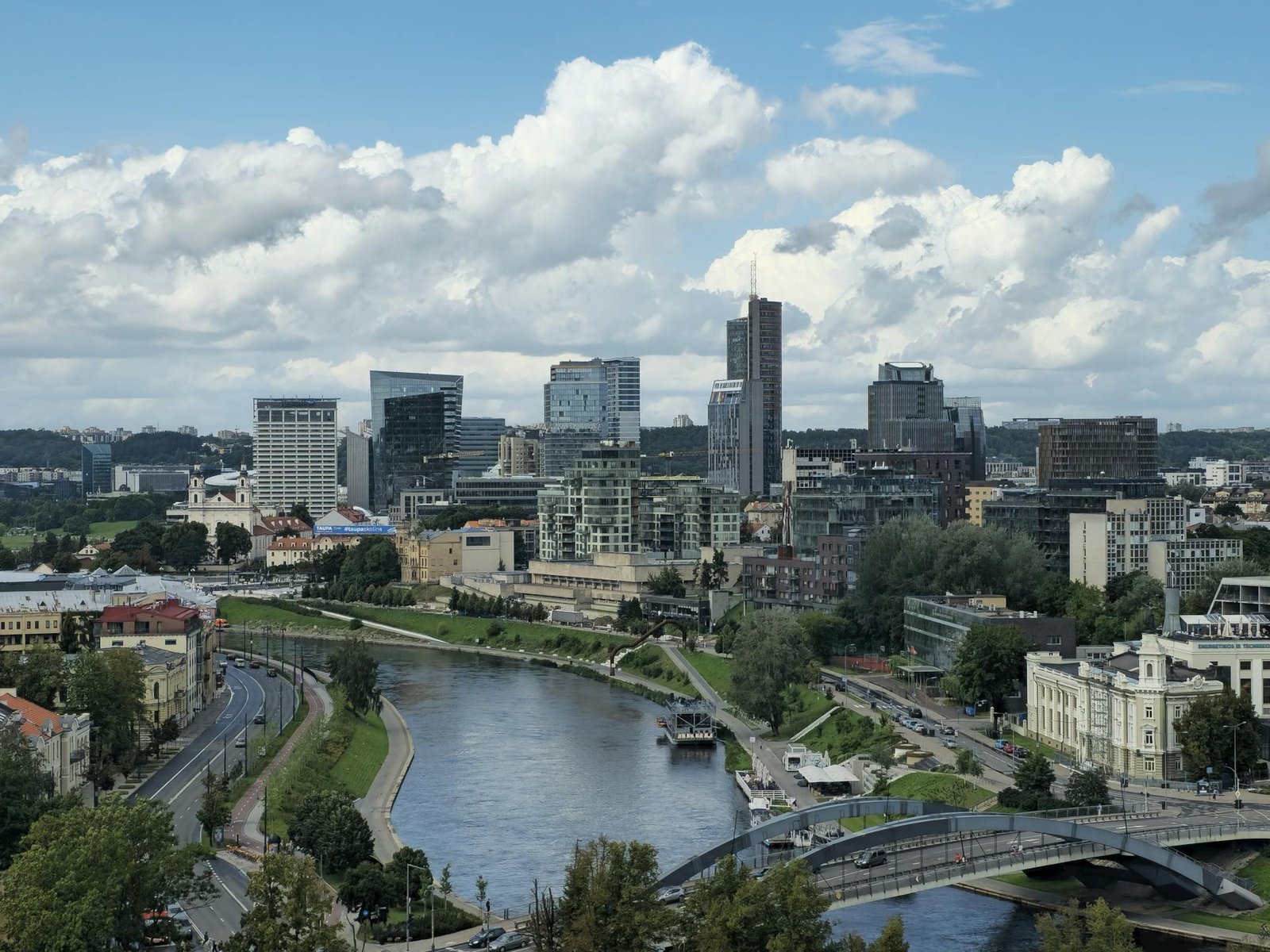
Vilnius
Europe
Moderate
Very high
€14,000–€20,000 / year
Low–Moderate
€1,800–€3,200 per m²
Progressive 20-32%
15-20% capital gains
Lithuania
Lithuania is one of the fastest‑growing and most innovative economies in the Baltic region. Known for its digital infrastructure, strong startup ecosystem, and high quality of life, it attracts professionals, entrepreneurs, and students seeking a modern, safe, and affordable environment.
Key advantages include:
- Strong digital infrastructure and e‑government services
- Growing tech and fintech ecosystem (Vilnius is a major EU fintech hub)
- Affordable cost of living compared to Western Europe
- High levels of English proficiency
- Safe, clean, and well‑organized cities
- Large international communities in Vilnius, Kaunas, and Klaipėda
Essential First Steps for New Arrivals
Register Your Address
Required for stays longer than 3 months.
Obtain a Lithuanian Personal Identification Number (Asmens Kodas)
Required for employment, banking, healthcare, digital services, and housing contracts.
Residence Permit (if required)
Non‑EU citizens may need temporary residence permits, work permits, EU Blue Cards, startup visas, student permits, or family permits.
Open a Lithuanian Bank Account
Employers typically require a local account.
Healthcare Registration
Residents must register with the National Health Insurance Fund (VLK).
Housing in Lithuania
Types of Housing
- Private rentals
- Furnished and unfurnished apartments
- Shared housing
- Student dormitories
- Houses in suburban areas
Market Characteristics
- High demand in Vilnius and Kaunas
- Prices vary significantly by region
- Deposits typically 1–2 months
- Many apartments furnished or semi‑furnished
Practical Advice
- Use reputable real estate platforms
- Understand heating types (central, gas, electric)
- Check whether utilities are included
- Be cautious of scams
Working in Lithuania
Work Permits and Visas
- Standard work permit
- EU Blue Card
- Highly qualified specialist permit
- Startup visa
- Seasonal work permit
- EU/EEA citizens do not require a permit
Employment Standards
- Standard workweek: 40 hours
- Minimum 20 paid vacation days
- Strong worker protections
- Overtime compensation required
- Notice periods vary
Key Industries
- Technology and software development
- Fintech and financial services
- Manufacturing and engineering
- Logistics and transportation
- Life sciences and biotechnology
- Creative industries
Financial Overview: Taxes and Income
Income Tax for Employees
Lithuania uses a progressive system with social and health contributions and tax allowances.
Taxes for Entrepreneurs and Freelancers
Self‑employed individuals pay income tax, social contributions, VAT (if applicable), and quarterly filings. Simplified regimes available.
Corporate Tax
Standard rate: 15%
Small business rate: 5%
VAT (PVM)
Standard rate: 21%
Reduced rates: 9% and 5%
Healthcare System
Lithuania has a public healthcare system funded through taxes and social contributions.
General Practitioner (Šeimos Gydytojas)
Residents register with a family doctor; referrals required for specialists.
Costs
- Public healthcare low‑cost
- Private clinics faster but more expensive
- Dental care mostly private
Transportation and Mobility
Public Transport
- Buses and trolleybuses in major cities
- Regional and intercity buses
- Trains connecting major regions
- Ride‑sharing widely available
Driving
- EU licenses valid
- Non‑EU licenses may require exchange
- Road conditions generally good
- Winter tires mandatory in winter
Cycling
Infrastructure improving, especially in Vilnius and Kaunas.
Culture and Society
Lithuanian culture values calm communication, privacy, nature, digital literacy, and punctuality.
Social Norms
- Silence respected
- Relationships develop gradually
- Environmental responsibility widespread
- Cashless payments common
Religion in Lithuania
Predominantly Roman Catholic, with Orthodox, Protestant, and Jewish communities.
Daily Life
Shopping and Services
Maxima, Rimi, Lidl, Iki.
Language
Lithuanian is official; English widely spoken; Russian and Polish common in some regions.
Digital Services
E‑government, online tax filing, e‑prescriptions, digital signatures.
Education and Family Life
School Options
- Public schools
- Private schools
- International schools
- Bilingual programs
Childcare
- Nurseries
- Kindergartens
- After‑school programs
Community and Integration
Active expat communities exist in Vilnius, Kaunas, and Klaipėda.