
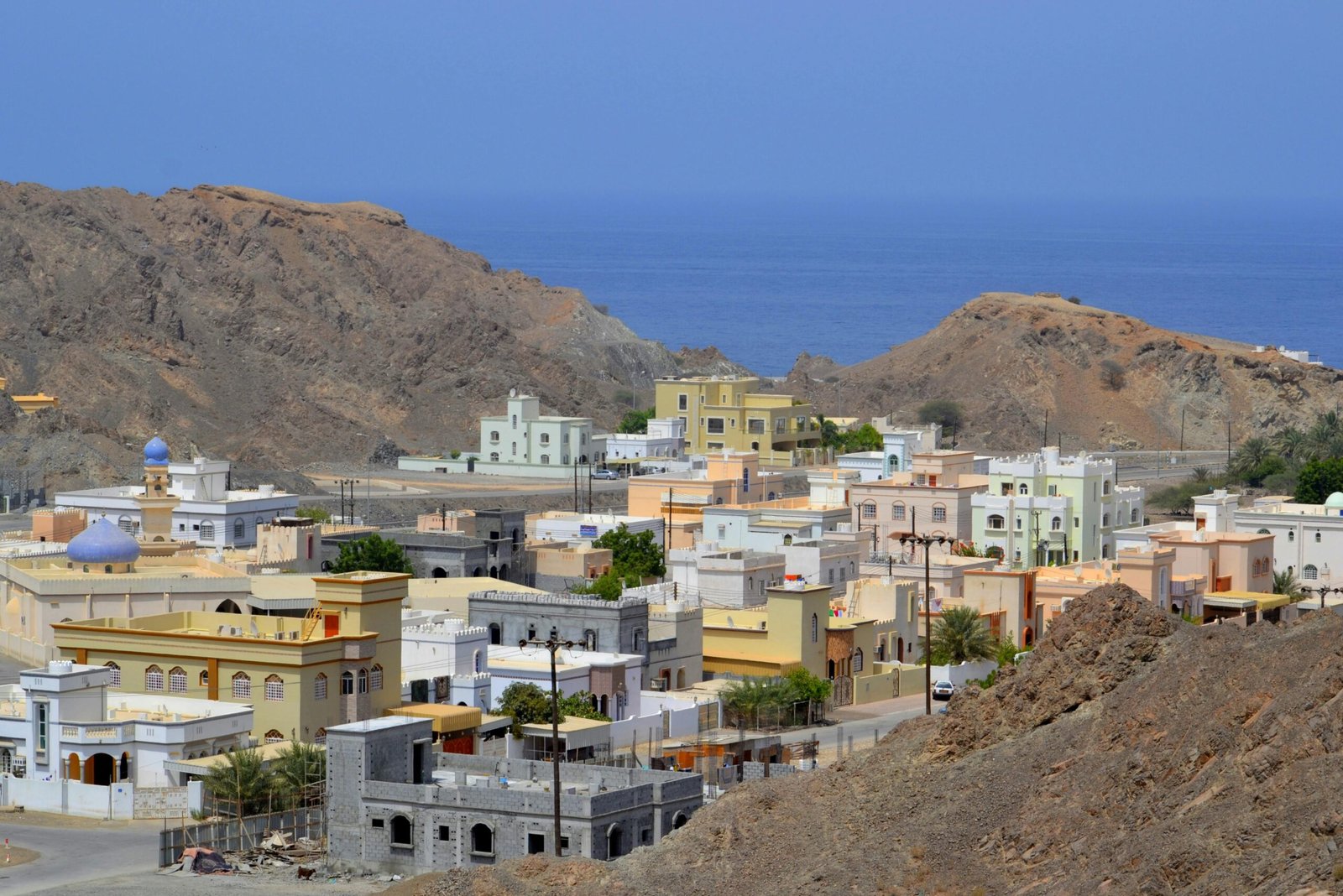
Muscat
Asia
Moderate
High
€15,000–€30,000 / year
Moderate
€1,200–€2,800 per m²
None
5% tax for high income
Oman
Oman is one of the Gulf’s most peaceful, scenic, and culturally rich countries. Known for its safety, natural beauty, and warm hospitality, Oman offers a slower, more relaxed lifestyle compared to its fast‑paced neighbors. It’s a favorite among families, professionals, and retirees seeking stability and quality of life.
Key advantages include:
- Extremely safe and welcoming society
- Beautiful beaches, mountains, and deserts
- Relaxed pace of life
- Strong expat communities in Muscat, Sohar, Salalah
- High‑quality healthcare and education
- Warm climate and clean environment
Essential First Steps for New Arrivals
Visa and Entry
Employment visas, family joining visas, investor visas, student visas, and tourist e‑visas.
Residence Card
Required after arrival; needed for banking, healthcare, mobile contracts, and renting property.
Register Your Address
Required for official documentation.
Open an Omani Bank Account
Requires passport, Resident Card, and proof of address.
Healthcare Registration
Private health insurance is mandatory for expats.
Housing in Oman
Types of Housing
- Furnished and unfurnished apartments
- Villas and townhouses
- Compounds (gated communities)
- Coastal homes
- Shared housing
Market Characteristics
- Affordable compared to UAE and Qatar
- High demand in Muscat
- Deposits typically 1 month
- Spacious, well‑maintained rentals
Popular Expat Areas
- Muscat: Al Mouj, Qurum, Madinat Sultan Qaboos, Al Khuwair, Azaiba
- Other Cities: Sohar, Salalah, Nizwa
Practical Advice
- Check AC systems
- Understand electricity costs
- Consider proximity to schools/work
- Villas offer more space but higher utilities
Working in Oman
Work Permits
Employer sponsors employment visa, residency card, and renewals.
Employment Standards
- Standard workweek: 40–48 hours
- Friday is the main rest day
- Minimum 30 days paid vacation
- End‑of‑service benefits required
Key Industries
- Oil and gas
- Engineering and construction
- Logistics and ports
- Tourism and hospitality
- Education
- Healthcare
- Manufacturing
Financial Overview: Taxes and Income
Income Tax
No personal income tax for employees.
Other Taxes
- VAT: 5%
- Corporate tax applies to businesses
- Municipality fees on rent
Entrepreneurs and Freelancers
Options include investor visas, company formation, and free zone companies (Duqm, Sohar, Salalah).
Healthcare System
Oman has a high‑quality healthcare system with public hospitals, private hospitals, and specialized clinics.
General Practitioner
Residents can choose any clinic; referrals may be required.
Costs
- Public healthcare affordable
- Private healthcare modern and high‑quality
- Dental care mostly private
Transportation and Mobility
Public Transport
- Buses in Muscat
- Taxis
- Ride‑sharing (Mwasalat, Otaxi)
Driving
- International licenses accepted temporarily
- Local license required long‑term
- Modern, well‑maintained roads
- Fuel inexpensive
- Calm driving culture
Domestic Travel
Affordable domestic flights and excellent highways.
Culture and Society
Omani culture values hospitality, tradition, family, and calm social interactions, with a deep connection to nature and heritage.
Social Norms
- Dress modestly
- Respect local customs
- Alcohol only in licensed venues
- Cashless payments increasingly common
Religion in Oman
Predominantly Ibadi Islam, with Christian, Hindu, and other expat communities.
Daily Life
Shopping and Services
Carrefour, Lulu, Al Fair; moderate prices.
Language
Arabic official; English widely spoken in business, tourism, and daily life.
Digital Services
Online banking, government portals, mobile payments.
Education and Family Life
School Options
- Public schools
- Private schools
- International schools (British, American, IB, Indian)
- Bilingual programs
Childcare
- Nurseries
- Kindergartens
- After‑school programs
Community and Integration
Active expat communities in Muscat, Sohar, and Salalah.