
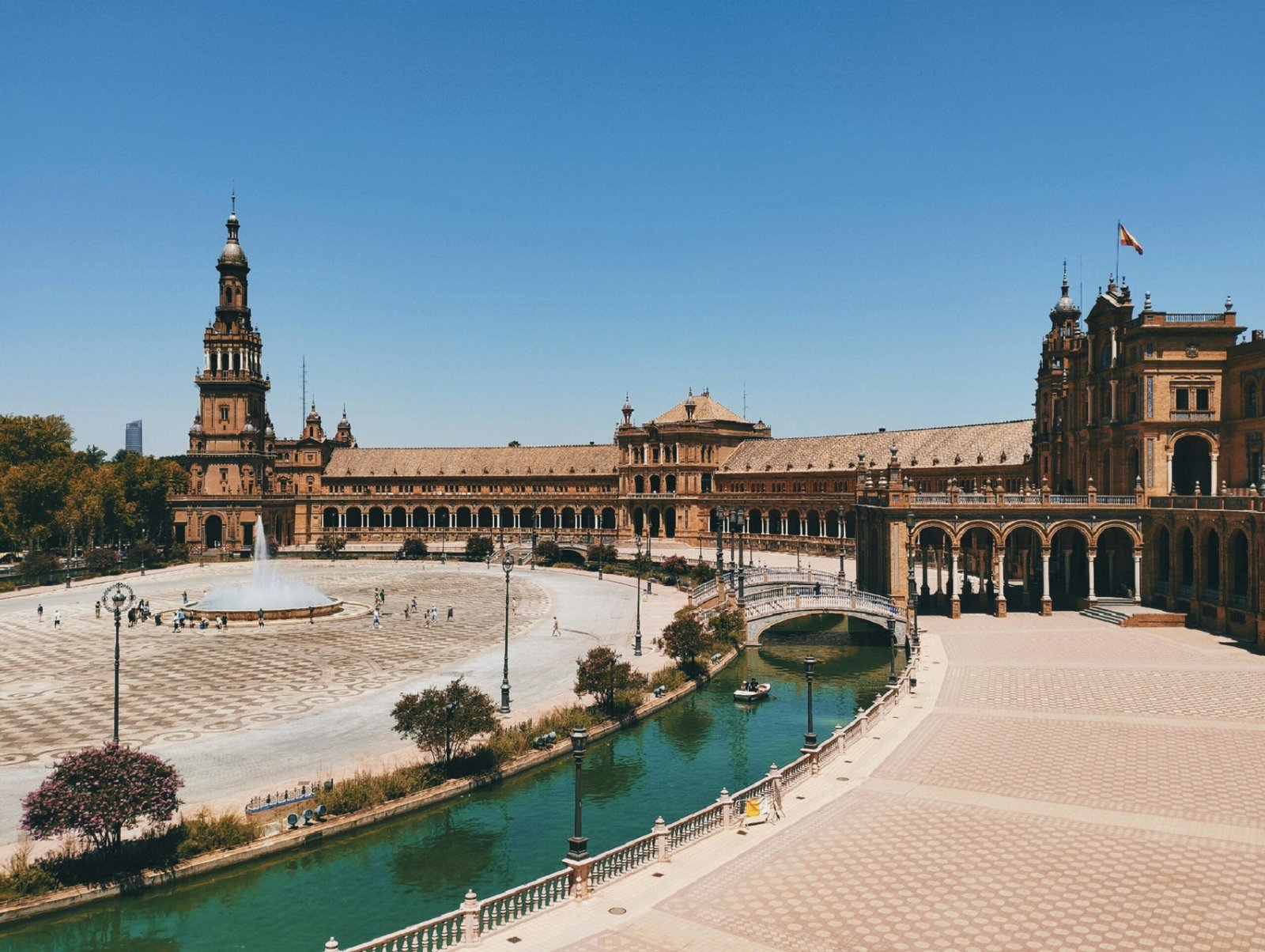
Madrid
Europe
Easy
Medium
€25,000–€40,000 / year
Low to Medium
€2,000–€5,000 / m²
Progressive 19–47%
19-28% capital gains + 0-3,5% wealth
Spain
Spain is one of Europe’s most attractive destinations for expats due to its warm climate, rich culture, strong social systems, and relatively affordable cost of living. It offers a diverse economy, excellent healthcare, and a relaxed lifestyle.
Key advantages include:
- High quality of life and Mediterranean climate
- Affordable living compared to many Western European countries
- Strong public healthcare system
- Vibrant culture, cuisine, and social life
- Large international communities in major cities and coastal regions
- Growing opportunities in technology, tourism, and remote work
Essential First Steps for New Arrivals
- Obtain a NIE (Foreigner Identification Number) – Required for employment, banking, housing, taxes, and official procedures
- Register with the Local Town Hall (Empadronamiento) – Required for healthcare, school enrollment, and some administrative processes
- Open a Spanish Bank Account – Most landlords and employers require one; identification and proof of address needed
- Apply for a Residence Permit – Non-EU citizens must apply for work, student, non-lucrative, or entrepreneur visas
- Register for Healthcare – Residents can access the public system; private insurance is common
Housing in Spain
- Private rentals, furnished/unfurnished apartments, shared housing (pisos compartidos), villas, townhouses, short-term holiday rentals
- High demand in Madrid, Barcelona, Valencia, and coastal areas
- Rental contracts typically last 1–5 years; deposits usually one month’s rent
- Practical tips: use reputable agencies, check utility inclusion, understand community fees (gastos de comunidad), avoid holiday-rental scams
Working in Spain
- Work visas: standard employee visa, EU Blue Card, entrepreneur visa, digital nomad visa
- EU/EEA citizens do not require a work permit
- Standard workweek: 38–40 hours; minimum 22 paid vacation days; 14 public holidays
Key Industries
- Tourism and hospitality
- Technology and digital services
- Renewable energy
- Agriculture and food production
- Finance and business services
- Logistics and transportation
Financial Overview: Taxes and Income
- Income tax: progressive national + regional rates; social security contributions apply
- Beckham Law: special expat tax regime offering reduced flat tax for eligible foreign workers
- Self-employed (autónomos): monthly social security, quarterly VAT returns, income tax prepayments, deductible business expenses
- Corporate tax: 25% standard, reduced for new companies
- VAT (IVA): standard 21%, reduced 10% and 4% for essentials
Healthcare System
Universal public healthcare funded through taxes. Residents access services via regional health card. GPs (Médico de Cabecera) are the first contact; specialist referrals usually required. Public care is free or low-cost; private insurance common. Dental care mostly private.
Transportation and Mobility
- Extensive transport: AVE high-speed trains, Renfe regional trains, metros, buses, trams
- Driving: EU licenses valid, non-EU may need exchange; well-developed roads, some tolls
- Cycling infrastructure improving in Valencia, Seville, Barcelona
Culture and Society
Spanish culture emphasizes family and community, vibrant social life, direct but warm communication, love of food and festivals, and “mañana culture” (flexible time). Social norms: late dining, long lunch breaks, cheek-kiss greetings, strong regional identities.
Religion in Spain
Predominantly Roman Catholic, but increasingly secular. Other communities: Muslim, Jewish, Hindu, Buddhist, non-religious. Many large cities are experiencing growth in their Muslim communities. Religion influences traditions and public holidays.
Daily Life
Shopping: Mercadona, Carrefour, Lidl, El Corte Inglés; many shops close midday outside large cities. Language: Spanish (Castilian) official; regional languages Catalan, Basque, Galician. English proficiency varies. Digital services expanding, including electronic certificates for taxes and administration.
Education and Family Life
- Public, semi-private (concertados), private, international schools; bilingual programs
- Childcare: nurseries (guarderías), public/private daycare, after-school programs; costs vary by region
Community and Integration
Large expat communities in Madrid, Barcelona, Valencia, Málaga/Costa del Sol, Alicante/Costa Blanca. Professional groups, language exchanges, and cultural associations widely available.
Ready to make your move to Spain simple and stress-free?
Get the complete Spain Relocation Guide and unlock everything you need, from visas, taxes, cities, cost of living, tips, and a complete checklist.
Spain Relocation Guide